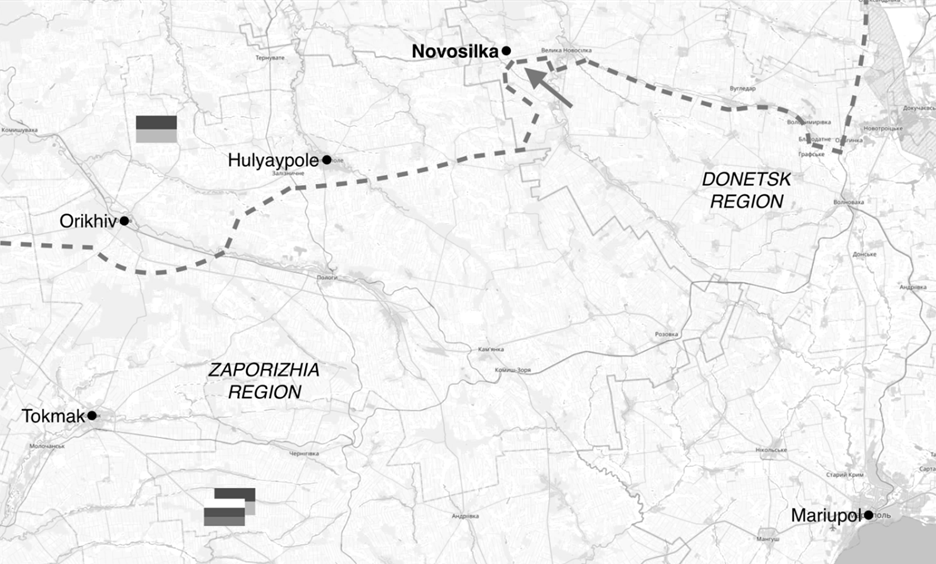
From the basement we watched a house with people inside burn for 48 h. Velyka Novosilka is in ruins

Till April 18, we used to hear combats. Then we both saw and felt them
Life is such a great world in which you can do many things. And then you narrow your actions and thoughts to the tiniest space, which can hardly be called a world. It has only one purpose – to stay alive. At first, the very idea of possible leaving seems naturally rejected. Then you are looking for any possible way to escape. And you abandon everything.
We went to the basement every time. These periods of sitting in the basement of an apartment building were really horrible. It was dark, wet, and very sad. Sometimes I had a scheduled lesson to teach. I could have taught it, at least remotely, online. The basement was taking my life away from me. However, I had to stay in the basement to preserve my life.
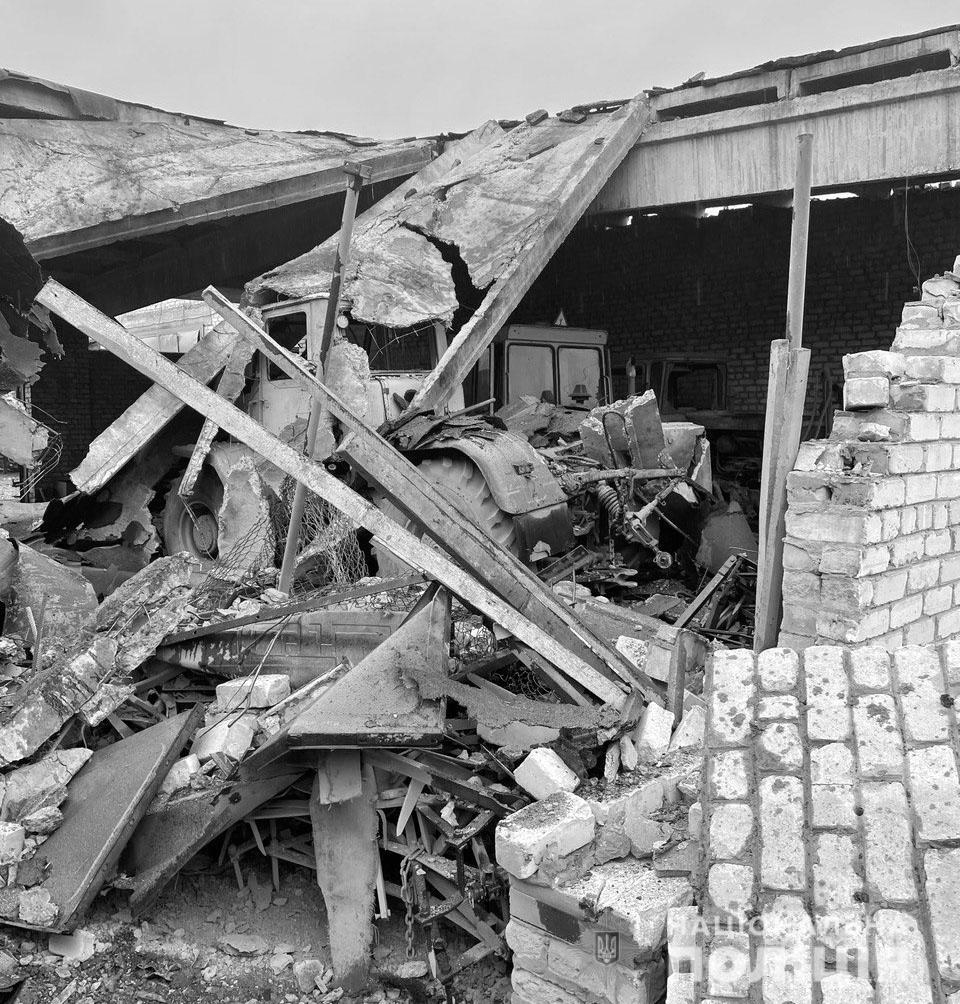
That was during the first days when Velyka Novosilka was bombed. One day, my husband and I went out of the basement and walked around our house during a silence period. I used to walk like that many times. There were other houses around. There was a café nearby I used to know. One day, I saw that the summer terrace was gone, and all the pavilions were lying on the ground. The two-storied building next to ours had no windows or doors. Everything was asmoke and smelled of grief.
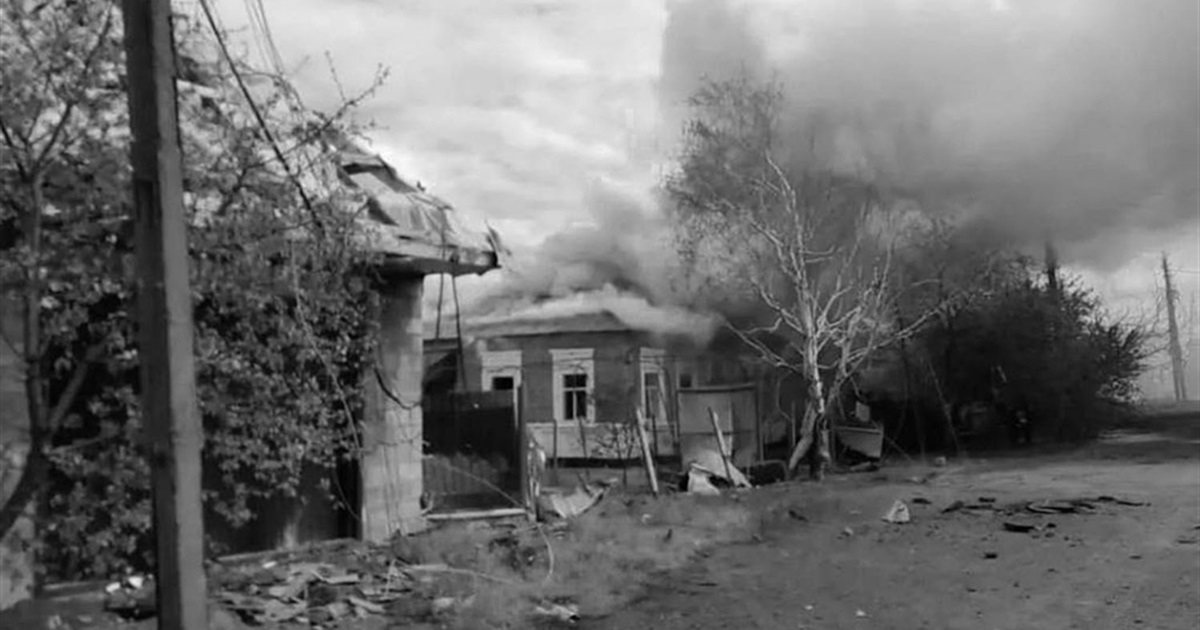
During one bombing, we observed a two-storied house burn right opposite ours. We sat in the basement, looking through the cracks at a residential building burning for 48 hours. Nobody could help them. It turned out to be quite simple: you sit and observe a residential house burning while people were dying in its basement at that very moment.
We had an emergency department in our village. There remained at least one fire brigade wagon. But we couldn’t even call the firefighters as there was no mobile signal. Besides, when everything was burning around, I can’t imagine how they would extinguish all this fire, especially under shelling.
In the basement of our four-storied building, there were my husband, my mother-in-law, two elderly couples, and I. Everyone stayed there for many reasons, persuading themselves to endure all that. One of the reasons was – where would they go?
Since April 18, the village was being destroyed according to some plan – all the shops, the market, the hospital. Then residential buildings
The villagers were persuaded to evacuate many times. Every day, two buses stood in the center – get in and leave. Later, after the main bulk had left, you had to get registered to evacuate. So, there were buses, but fewer people were leaving. They probably organized groups to fill the bus at least partially.
And then, when everybody left, and nothing changed military-wise, nobody bombed us, I felt almost 100% certainty that nothing would touch us.
The hope, the feeling that it was too early to leave and we could still live there, remained with me even when they started bombing the village. On those days, every morning, at 11.00 a.m., there was a bus at the exit from Velyka Novosilka. However, it was getting harder and harder to get to that place each coming day.
We lit a small gas tank right in the basement and cooked some food. Nobody had any desire to eat. Yet we had to. We had some stocks of water. In the first days, we used to run home to use the bathroom as soon as it got quieter outside. Then, there was no chance of going out. So, the “bathroom” was right there, in the basement, just further from where we were sitting. Of course, there were no special washing procedures, but we could wash our faces.
We were sitting in a circle, all together. My husband and I were the youngest; we are forty. The rest were elderly. At first, we used to encourage each other, “This [shell] is not for us; this [volley] goes aside.” When the volleys started hitting our house, there was hysteria, uncontrolled sobbing, and the desire to end it all. You are sitting, holding on, then a volley hits – and that’s it, you can’t deal with yourself. There is neither anger nor fear. I can’t explain it. It happens when you feel bad. Each and every cell of your body feels bad.
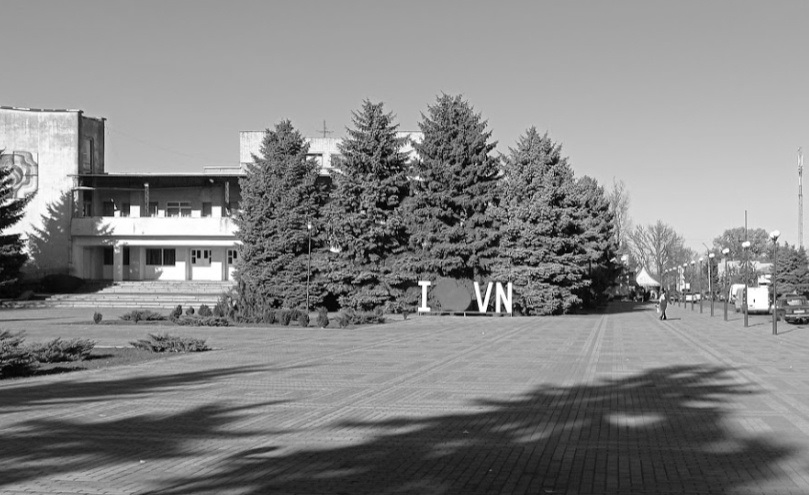
Whatever is happening now - it is your actual life
The main reason why we didn’t evacuate was our farmstead. We had invested everything in it – efforts, plans, and a lot of money. We bred domestic livestock and poultry; we had pigs and chickens. That was our source of income. April and May were the months when the trade was always active. We sold piglets and bought chickens. We had bought the feeds beforehand. And till the last minute, we thought that we would manage to preserve our farmstead.
We live in an apartment building, while our farmstead is at the exit from the village, right in the direction from which the volleys came. We had built everything nicely. It seemed normal that we lived in one place and our farmstead was in the other. Yet later, it was an ordeal to get from the center to the farthest side. So, my husband and I used to go there together. If anything were to happen, at least we would face it together.
When the war started, we went there only by bicycle. At first, we could do it twice a day, then only once. These trips were getting ever longer. My husband and I used to ride, hear something flying, fall into the grass, lie down for some time, get up again, and ride farther. Sometimes we would take cover in someone’s basements. That was when each part of the village was shelled intentionally by the artillery after April 18.
Since April 18, we would switch the generator on to give water to the animals. We have a drill hole in the yard. It didn’t work well with the generator. We had to pump water for over an hour to get water for all the animals and clean everything for them. We did all this under shelling. We had to stay there for about two and a half hours, work as fast as we could, and then somehow get back home. My husband’s mother was sitting in the basement with the neighbors all this time.
The generator didn't give enough juice to cook something and also get some water. So, we cooked all our food on a gas burner in the basement we were sitting in. We would come home after such a trip with a pounding heart. While we were working, we didn’t have time to think, but then, sitting in the basement, we realized that this was our life.
That was how those two weeks passed. We weren’t going to leave, so we hadn’t packed anything. There was still a hope that the end was near and it would surely be a happy one. It just couldn’t happen that everything you invested your entire self into would be destroyed completely.
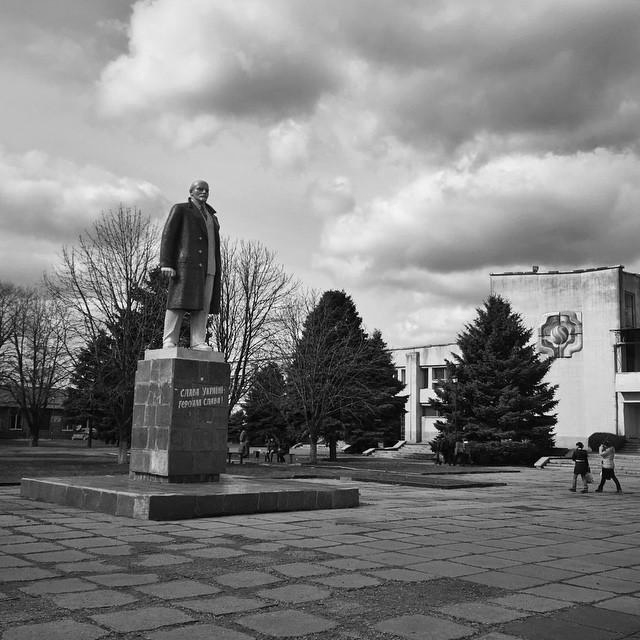
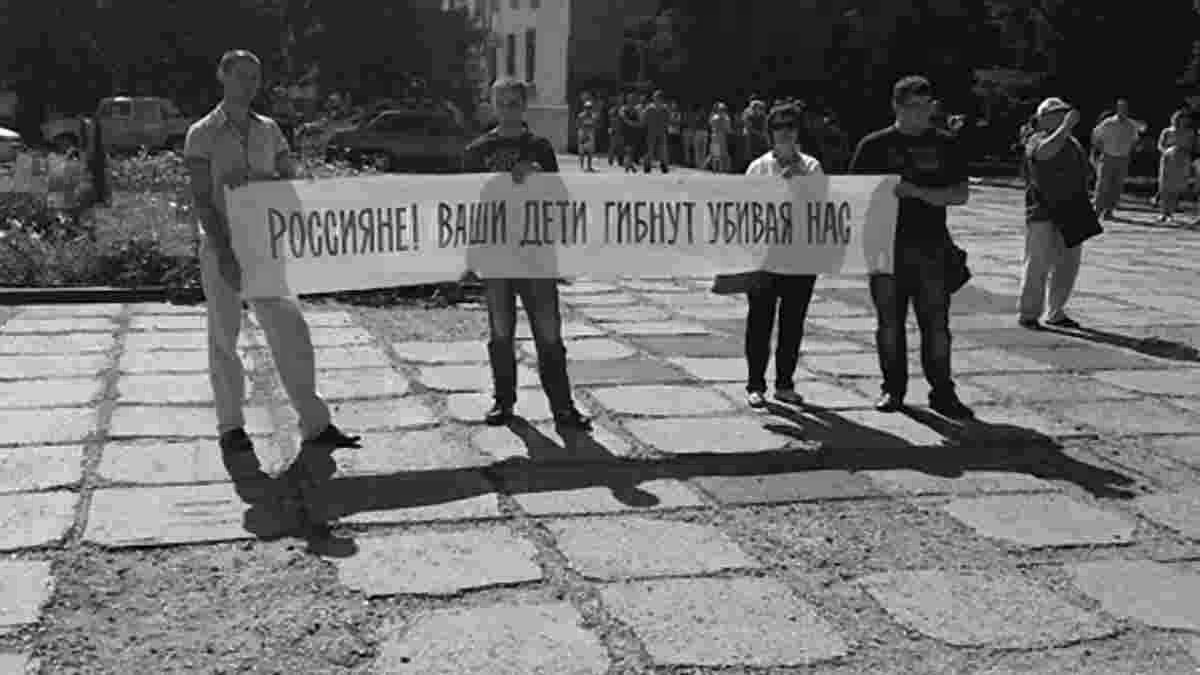 The words in the picture, “Russians! Your children die while murdering us”
Everything disappeared: gas, electricity, water, mobile signal, Internet. We just didn’t know what was happening beyond our village
The village was destroyed according to some plan. At first – all the shops, the market, the hospital. Then residential buildings. There was no moment when they would start bombing more severely. It was like that: before April 17, we used to hear it. Since April 18, we could feel it. Everything disappeared: gas, electricity, water, mobile signal, Internet. We just didn’t know what was happening beyond our village.
At first, the pattern of the shelling was like this: three hours of bangs and explosions interrupted by short breaks. Then a period of silence when they would shoot once or several times per hour. It was getting more or less quiet by 08:00 p.m. That’s when we could get out and see something outside the basement. Since April 18, the shelling happened every night. But for some reason, the most intense ones were during the day.
On April 28, we were in the basement again. We heard something hit right above us. Then, by the smells and sounds, we understood that an apartment on the second floor was burning. Yet we were staying down, not getting out. Previously, our yard had been hit a few times, and the house as well. There were cracks in the windows, but the house was holding on. And then we had a fire.
One day, the shelling didn’t stop from 6:30 a.m. till 3 p.m. I was sitting there, realizing that I couldn’t just sit like that my entire life. And then my husband said, “We have to go. Start packing.” When it got quiet (getting quiet meant they started hitting another part of the village), I ran home to pack. He went to our farmstead. I was just grabbing some random things. What would I need in the place I was going to? I would need my life, but I can’t take it out of here.
My husband got to our farmstead. He fed all the animals for the last time and opened all the hutches and cages. And the animals just stood there looking at him. He turned around, sat on his bicycle, and went home. He said that the pigs followed him. He was trying to ride faster, and they were running after him for some time. My husband was riding a bike, followed by running pigs, piglets, and chickens.
They didn’t eat well in the last few days. And they didn’t want to stay on their own. It was good that my husband let them out himself; I wouldn’t stand it. That was finally it. We had to go.
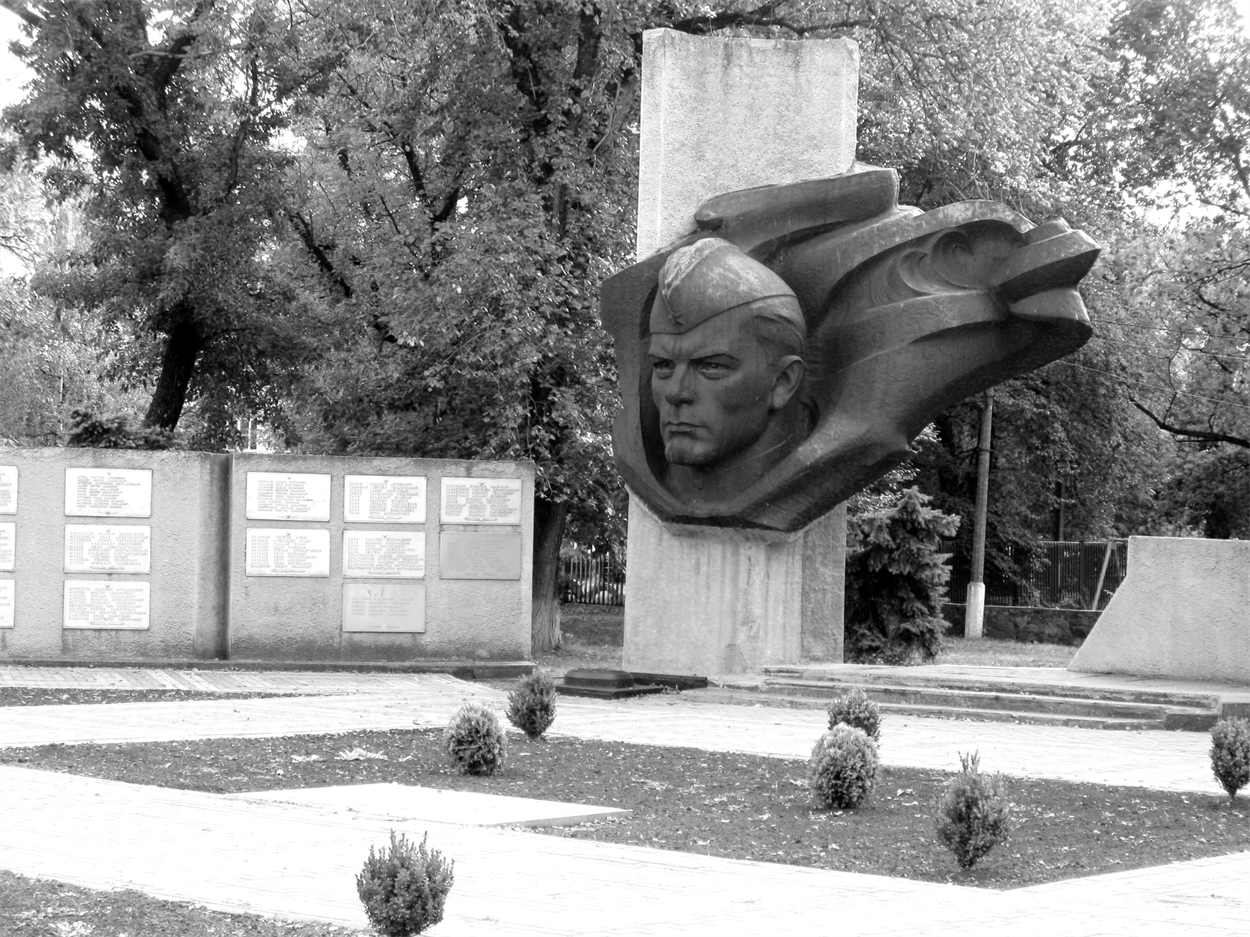
Till the morning, we prayed to God not only for the war to end and for us to stay alive but also for the car to remain intact
After we packed all the things and let the animals out, we had to stay in the basement, not getting out for four days. It was impossible to go out at all. There was a fire. We looked through a crack at the burning houses.
Then there was this enormous noise, and everything shattered. We thought something had hit our house again. We looked out – the neighboring garage was burning. The gate was blown off the hinges. I don’t know where it ended up. A heavy garage gate was just blown away and thrown somewhere. And I thought, “Praise the Lord, it is not our garage. We need our car to get away, and it is still intact.”
Till the morning, we prayed to God not only for the war to end and for us to stay alive but also for the car to be up and running.
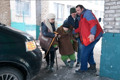
It seemed to get quieter at 5 in the morning. While we were sitting in the basement, our neighbors, two elderly couples of retirees, used to say, “You are young; you should leave.”. But when we all understood that we would leave, our old people got upset. Yet they refused to go with us. It was difficult to say goodbye to them. I think about them all the time.
We live in the center of the village, so, to get to Pokrovka, we had to move in the direction opposite to the military positions. On May 1, only one two-storied house was intact in the neighborhood. All the other houses stood there crippled – some had some fires burning, others had some smoke coming out of them. Everything seemed surreal like it didn’t quite exist. It looked like I had known it all my life but could not recognize it.
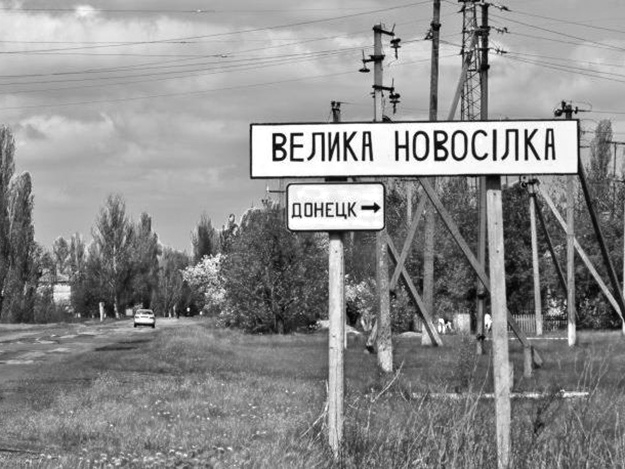
We were driving through the village in silence for about twenty minutes. We saw destroyed houses everywhere. The school I had worked at was damaged. The smart greenhouse, made last year by the kids who had won a grant, was broken. For some reason, it didn’t scare me. It just urged us to get out as soon as possible.
It was as if someone had given us a corridor for a safe departure. As soon as we left, the shelling started so heavily that we heard our Velyka Novosilka being shelled for a very long time.
As soon as we went farther and the mobile signal was on, I called my son. A grown-up man, he was sobbing, “Get out of there faster!S” We had not talked to him since April 18. Everyone had been looking for me. My son says that my pupils and some distant acquaintances I don’t even remember called him and asked about us. On May 2, I gave my first lesson. Both kids and I were crying.
In March, my sister managed to get out of Mariupol. I used to calm her down, “Don’t worry, we have our homestead; we will survive.” Now I am a tourist. I want to go home.